You don't choose family, but if you're lucky, you feel grateful for the family that was chosen for you. Alex, Stacey, Joseph "Jr," and Marie-Jacques have had very different experiences growing up in the same household. They also currently live very different lives in different parts of the world. Despite those differences, there is love and a desire to support and connect with the siblings you've watched grow up.
Grounding is an attempt to strengthen those sometimes strained connections through physical and emotional proximity, while also providing practical financial and lifestyle benefits for every household involved.
This is not a 1970s hippie commune. Each household remains fully independent, with its own home, finances, and private life. What is shared is the land, driveway, utility infrastructure, outdoor common spaces — and the everyday advantage of living near people you already know and trust.
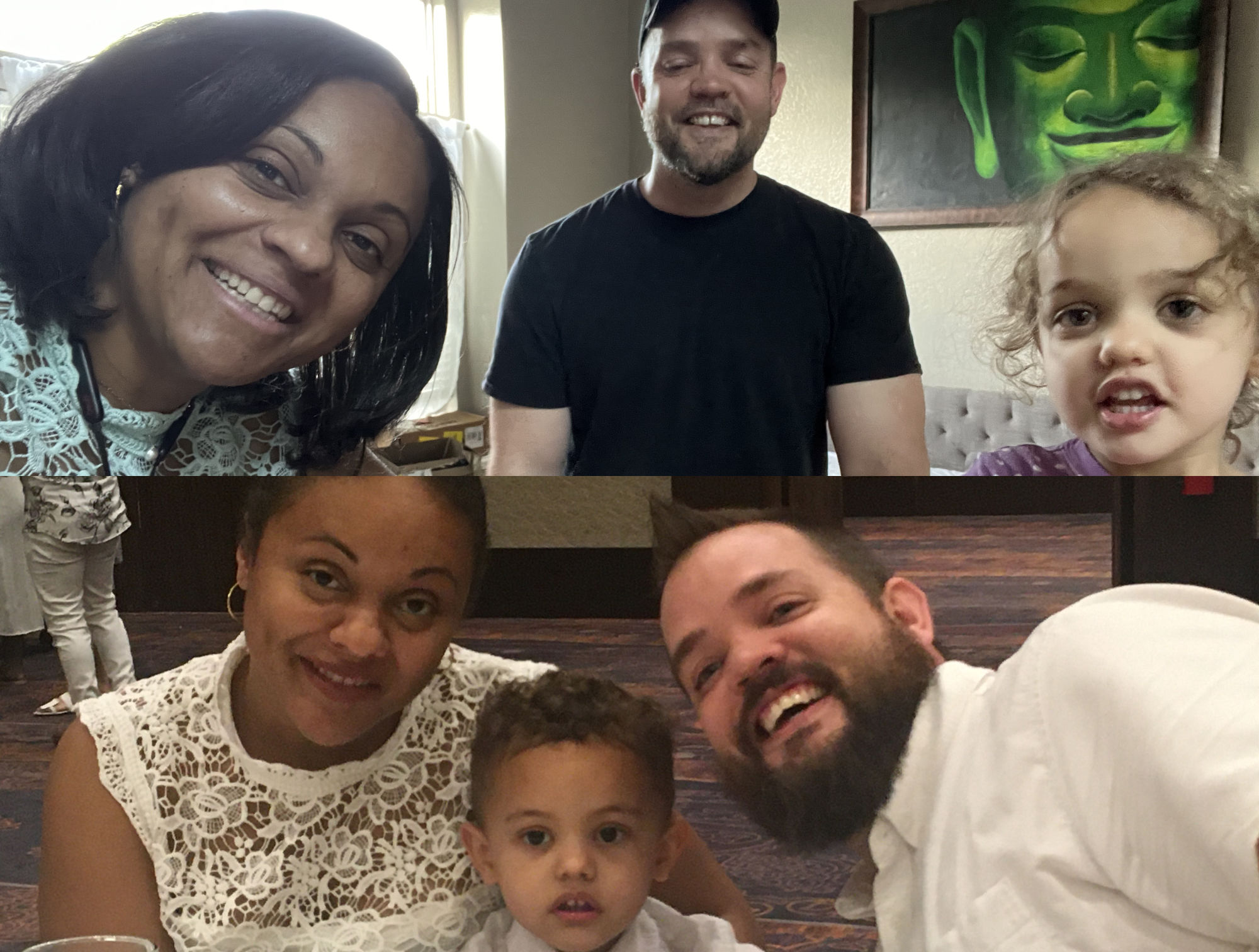
Stacey and Jason are busy parents who are trying their best to maintain a balance between finances, personal life, and the work all couples need to do to maintain a loving relationship. The strain of juggling all of these, combined with distance from family and the inability to maintain stable friendships in their hometown, is putting pressure on their health and mental well-being.
Co-housing provides solutions by breaking the isolation sometimes felt by the couple. On a practical level, it would also greatly reduce their cost of living, which would mean both could get less demanding jobs or, if the financials are solid, take a very long break from work entirely.
The burden of childcare would also be reduced, as family would be nearby to provide extra help with raising children.
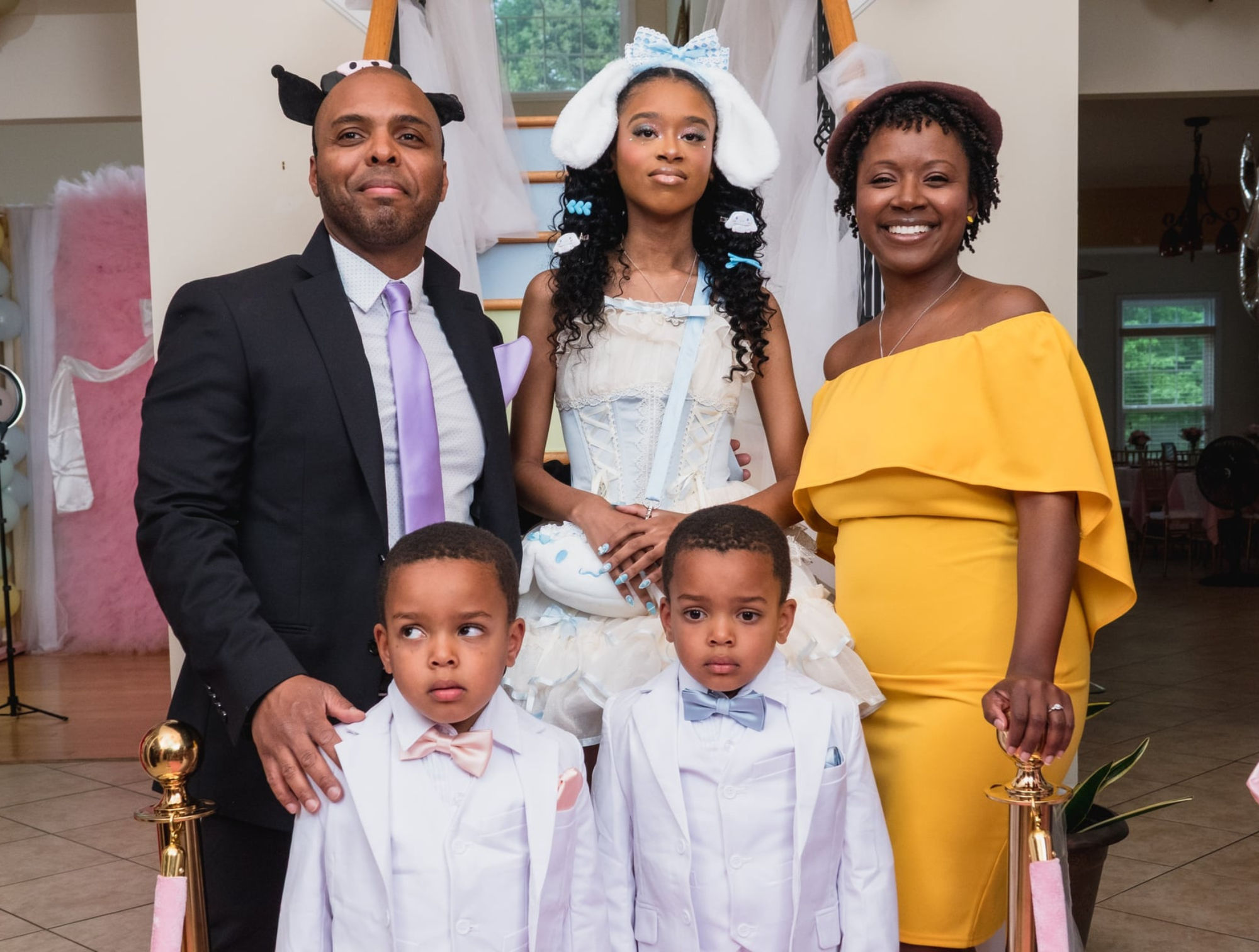
Alex and Chantl believe that families thrive in community, not isolation. They're currently taking a long, likely forever, break from work while traveling through Latin America.
They have a young adult daughter, Thornton, and two twin boys who have a lot of energy. When the couple returns to the States, they hope to build a life that provides the space their family needs with proximity to people they trust enough to share resources and time. Co-housing also offers them the low cost of living that will help them maintain their finances into early retirement.
Alex and Chantl enjoy city living, and for them co-housing blends some of the best parts of urban life — social interaction and shared experiences — with the space, affordability, and family support that intentional community provides.
This home is also designed to include an attached, ADA-accessible ADU for Evelyne Clermont, Alex's mother. It gives her a fully private, separate-entrance unit of her own while keeping her steps away from family — support and connection without either generation giving up independence.
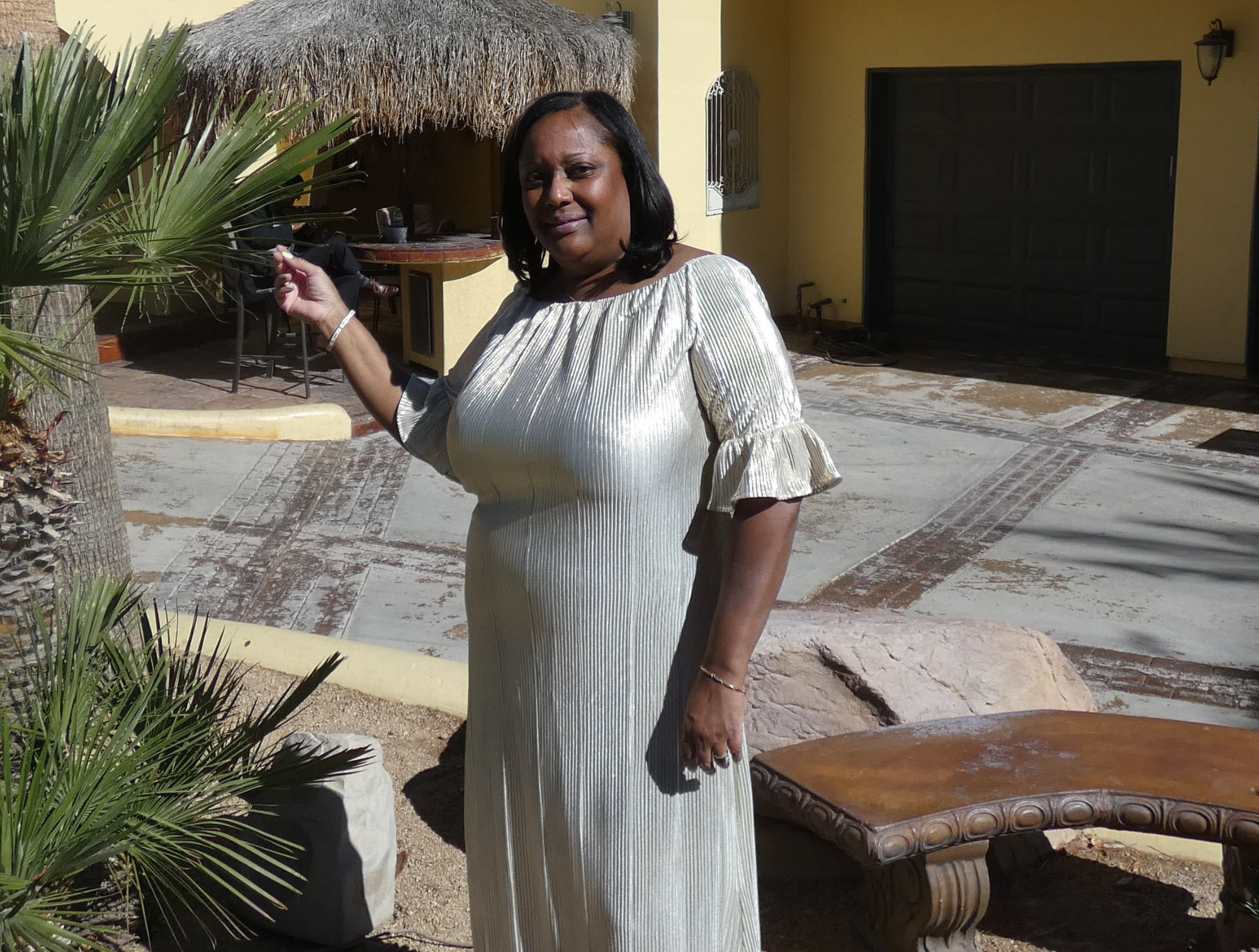
Marie-Jacques is the oldest sister who has built a life and career for herself in New York City. Despite that, she has been looking to leave for some time to be able to own a home and escape the skyrocketing cost of living in the city. Her children are all grown, and aside from her long-term partner and the career she'll soon retire from, there are no strong ties to New York.
Co-housing offers Marie-Jacques homeownership and the ability to strengthen bonds with family. With a location near enough to a major city, she and her partner can also retain their lifestyle of enjoying nightlife and cultural exploration.
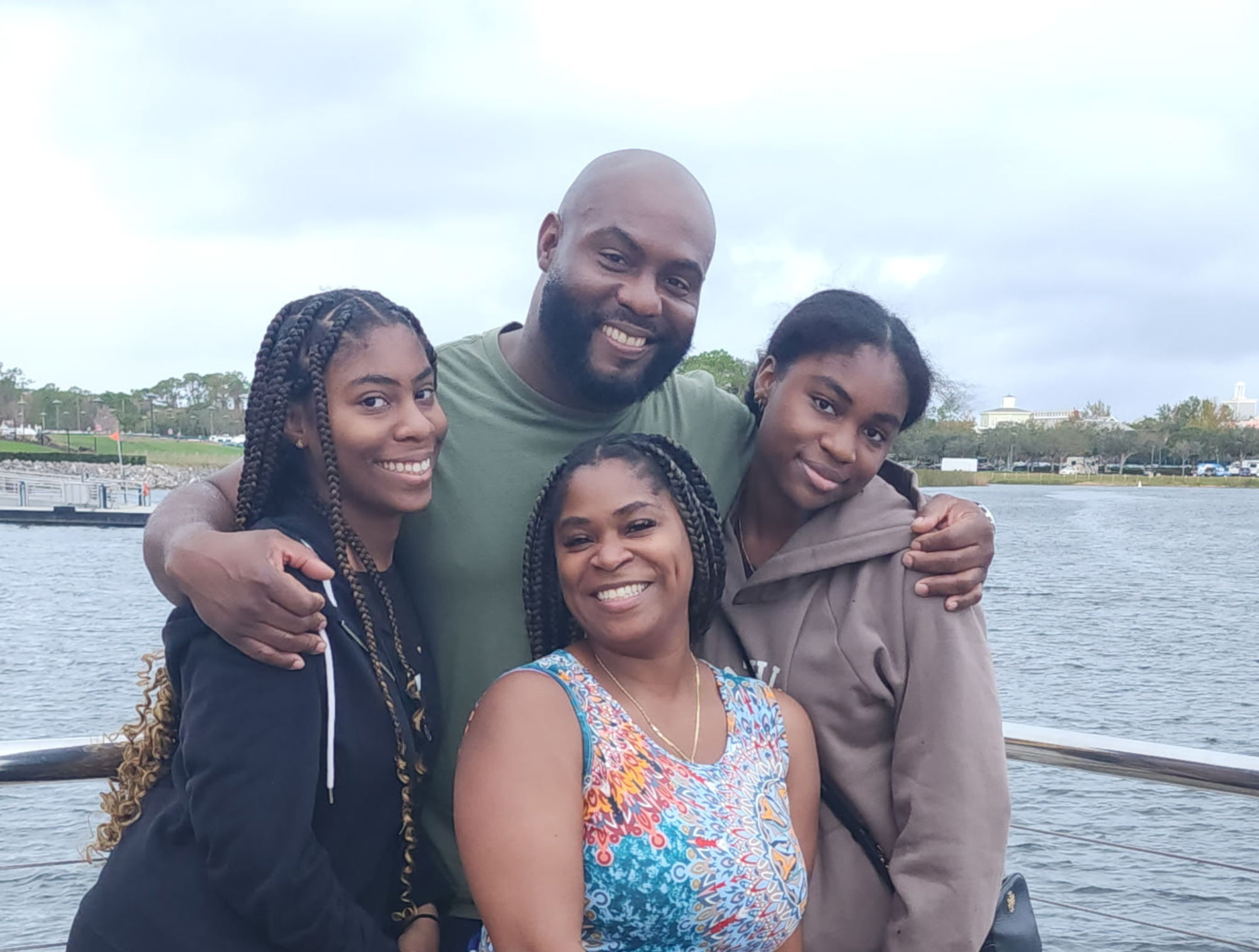
Joseph "Jr." and Marilyn have been married for over two decades. They've built a life together and raised two grown children. However, Jr. is about to start another phase in his life as he looks to retire in about three years. With the build time from conception to move-in being about two years, his property in grounding will be ready close to that retirement date.
A property at the co-housing community might be his second home, as he plans to keep his home in Long Island, but it also offers the positivity of family togetherness without the negativity associated with the past. Spending time with people who truly love him while giving him the freedom to come and go as he pleases is what this community offers him.
Though still working, the space offers Marilyn a chance to genuinely connect (and have fun) with her husband's side of the family in a way that might not have been possible before.
Building on shared land — rather than buying separately — puts every design choice in the community's hands and compounds the advantages. Below are the core reasons this model works, organized by what kind of value each delivers.
Outdoor Sauna
A cedar barrel or cabin sauna tucked into the tree line — built for under $5K DIY, a luxury that would cost many times that to access in a suburban context.
Workshop / Maker Space
A dedicated shed or structure for woodworking, electronics, 3D printing, or any technical side project. The space can change what's possible for household members who build things.
Outdoor Recreation Area
A cleared activity area for basketball, football, or a built-in obstacle course gives high-energy kids and adults a place to channel physical movement and maintain fitness.
Natural Swimming Pool
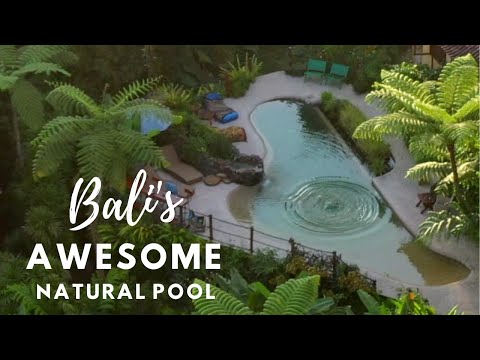
A chemical-free swimming pond filtered by aquatic plants — cooler and cleaner than a chlorine pool, and dramatically more beautiful and cost effective. They're common and safe, and below is an example video.
Community Hot Tub
A shared hot tub creates a year-round gathering place for conversation, relaxation, and recovery. This feature is a surprisingly affordable luxury when costs are shared across households.
Fun Spaces
Imagine an outdoor projector theater; a simple but well designed fire pit for s'mores and gatherings; lawn games that don't require a screen; and seasonal celebrations that turn into parties with the addition of a few more friends. The land becomes a destination rather than just a place to live.
Space to Grow Food
Four-plus acres means a shared vegetable garden, fruit trees, or herb beds. Fresh food for all means increased health benefits — physical as well as mental health — while cutting grocery costs and adding beauty to the landscape.
Solar Panels
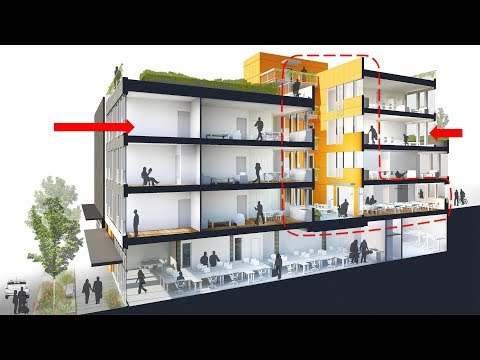
Installing solar at build time costs significantly less than retrofitting later. A properly sized system (8–12 kW) can eliminate monthly electric bills. The federal 30% Investment Tax Credit may also apply.
Whole-House Water Filtration
A whole-house filtration system can be integrated during construction to provide cleaner water throughout the home. They help reduce PFAS (cancer-causing forever chemicals), chlorine byproducts, pesticides, heavy metals, and other common contaminants.
Metal Roofing
Metal roofs last 40-70 years vs. 15-20 for asphalt shingles, are highly wind- and fire-resistant, and reflect heat to reduce cooling costs. Installing at build time avoids the cost and disruption of a mid-life reroof — a meaningful long-term savings for every household.
Whole-Home HEPA Filtration
Upgraded HVAC filtration captures many of the particles that standard filters miss, including pollen, dust, smoke, and pet dander. Cleaner indoor air can improve comfort year-round.
For most of human history, the isolated nuclear family household was the aberration. West African compounds — the model that arrived in the Americas with enslaved people and persisted in Caribbean and African-American family structures — placed multiple related households around a shared courtyard, with common cooking areas, shared childcare, and collective management of resources. The Haitian lakou is perhaps the most direct ancestor: a family land arrangement in which several households share a parcel, maintain separate dwellings, and organize around a common yard and elder matriarch.
What this proposal is doing isn't experimental. It doesn't ask the families to adopt something foreign. It asks them to rebuild something their ancestors knew how to do — on land they own, with legal structures that protect it. The proposed LLC and Operating Agreement are the modern tools that provide security for the core households while allowing other potential households to join later on.
Valerie is a first cousin of Alex, Stacey, and Jr. — a single mother currently living in New Jersey. She is unlikely to join the community at launch. Her grown and growing children are rooted in their current area — school friendships, local ties, and the stability that comes from staying put matter to them. Her position at Rutgers University also anchors her professionally to New Jersey in a way that makes a Pennsylvania relocation a significant ask.
But the door can remain open. Valerie has home ownership goals, but housing costs in NJ/NY are prohibitive. Co-housing allows her the chance to get a mortgage for an affordable home that will appreciate in value while also providing community.
Geraldine is Alex, Jr., and Stacey's first cousin. She manages her health with consistency and that is exactly what co-housing can quietly support. Currently she is connected to New York City through her job and ailing father.
Should those ties dissolve, she would be able to sell her current home and, for a fraction of the money gained, purchase a home in the community. It would offer her a stable home environment where she would have her own home, her own space, and her own routine — with family close by rather than far away.
Tara is Marie-Jacques's oldest daughter and maintains a connection to MJ's siblings. She currently lives in Boston with her partner and their child. She and her partner, Tawfik, have expressed interest in co-housing years before as the concept is very much aligned with her partner's upbringing in Morocco.
They are unlikely to join as Tawfik's job ties him to Massachusetts. Should that change, the LLC structure allows for them to join in the future.
Though not having grown up with his siblings, Clifford is a loved brother whose presence in the co-housing community would add to its character in immeasurable ways.
Currently based in a Boston suburb, he and his wife Micheline are working parents who are working hard to provide for their three daughters. Co-housing would not only give the family reduced living expenses, but allow their children to better connect with family they rarely see. Their admission is unlikely, as Clifford's job is location specific and he's not close to retirement. However, space can be made available should his situation change.
Four households sharing land requires clarity about what is private, what is shared, and who is responsible for what. The goal is not to regulate daily life, but to agree on the framework in advance so that daily life never needs to involve a dispute about it. An Operating Agreement is where this happens as it sets clear boundaries. Below are summarized, suggested additions to such an agreement that Grounding: A Co-housing Community could adapt.
Your home is yours
Each household's dwelling is fully private. No one enters without an invitation — not family, not neighbors. Private outdoor space immediately surrounding each home (porch, patio, immediate yard) belongs to that household's exclusive-use zone as defined in an Operating Agreement.
Common land, defined zones
The Operating Agreement designates which portions of the parcel are common (garden, driveway, recreation areas, shared structures) and which are each household's exclusive-use zone. No household may use another's exclusive zone without permission.
Guests & visitors
Each household may have guests without community approval for stays under 14 days. Extended stays (14+ days) are communicated as a courtesy to other households. No household may list their home for short-term rentals.
Financial independence
Each household's personal finances are entirely their own. The shared LLC account described in another section covers only community costs — property taxes, shared utility systems, common area maintenance. No household is liable for another's personal debts.
Maintenance responsibilities
Each household maintains their own dwelling and exclusive-use zone. Shared systems (well, septic, driveway, common structures) are maintained from the shared reserve fund. The Operating Agreement specifies contribution amounts and the process for approving major shared expenditures.
Decision-making
Routine community decisions (minor shared expenses, scheduling shared space) are made by majority (3 of 4). Sale of the entire property would still require unanimous consent.
Numbers and logistics only go so far. Here is what a typical summer day might look like at Grounding. Not aspirational fantasy, but a realistic picture of what proximity and shared land make possible.
The day begins quietly. By 7:30, the smell of freshly brewed coffee has drifted across the shared path between the homes. All the adults — except Evelyne — start their morning with a cup. She's still in bed and will ease into the day with tea instead. In contrast, Jr. happily pours himself a second cup.
Stacey and Chantl catch up for a few minutes before helping the younger kids get ready for school. Alex walks the twins, along with his sister's children, to the bus stop. Jason and Jr. head to the outdoor gym to kick off their morning workout, and Alex joins them. Sometimes they chat and spot one another between sets; other mornings they simply nod hello before disappearing into workouts powered by music and determination.
Marilyn, currently spending the month at the family's second home with Jr., has just wrapped up an early-morning work call. She joins Stacey and Chantl, whose conversation is already filled with laughter. They reminisce about past family gatherings while enthusiastically planning even bigger and better ones in the future.
Marie-Jacques steps out onto her porch and asks that gathered women if they would like to join her for a weekend trip to the city for dinner, a museum, or live music. Everyone appreciates that they can enjoy the culture and energy of nearby cities without paying city housing prices.
About two hours after the school bus pulls away, the property settles into a peaceful rhythm. The guys clean up after their workout. Alex disappears into his office to write while Chantl edits footage for a documentary she's been working on. Jason spends the morning in the maker space, soldering together another creative project. Stacey enjoys several uninterrupted hours to focus on her long-term entrepreneurial plans. She's encountered a few challenges that she'll bring up later with Jr., Chantl, and the rest of the community, knowing there is always someone willing to offer advice or a fresh perspective.
By mid-afternoon, the community comes alive again. The children race from one yard to the next without anyone arranging a playdate. Kenny, Kameron, Neil, and Sonya invent another elaborate game involving bikes, sticks, and boundless imagination. Evelyne smiles while keeping an attentive eye on everyone. Others finish work, tend the garden, read on the porch, or simply enjoy a rare hour of quiet. Childcare doesn't disappear — it simply becomes lighter because it is shared.
As evening approaches, dinner unfolds naturally. Some nights each household cooks separately; other nights someone sends a text: "We made too much! Come over." Jr. shares stories from his latest vacation and previews footage he plans to post to his social media channels later that week. Marilyn updates everyone on how her children are doing. Marie-Jacques laughs while telling a memorable story from her years in New York, and Jason talks about ideas he brought home from a recent technology conference. Conversations drift from travel and books to family memories and plans for the future.
Later, a few people gather around the fire pit while others retreat to their own homes. The children fall asleep after a day spent almost entirely outdoors, and each household ends the evening with something increasingly rare in modern life: the comfort of knowing that if tomorrow brings a challenge, trusted family will be only a short walk away.
School bus · the land wakes up
Four kids board the bus from the shared driveway. Adults scatter to their pursuits. The land is theirs for the day. Maybe some take a day trip to the city.
Chosen pursuits across the land
A manuscript taking shape. Video footage in the edit. Business plans over a cup of coffee. Headphones while grinding away in the maker space. It's all good.
The bus returns · the land activates
By mid-afternoon, the bus returns. Kids scatter across the property.
Dinner · fireflies after
As evening falls, families gather for dinner. Some adults linger while children chase fireflies. Each household eventually retreats to their private space — the day marked by chosen pursuits, shared meals, and the quiet comfort of family nearby.
Grounding: A Co-Housing Community would have flexibility on state lines, but will work to keep their roots in the NorthEast region of the country. The shortlist below spans Maryland, Pennsylvania, and New Jersey with a focus on safety, school quality, land affordability, and proximity to a major city. Contenders could include Georgia and Florida. The final location would be chosen collaboratively by all households, weighing commute needs, school priorities, and budget realities.
Southern / Western York County
The rural corridor near Glenville and Spring Grove is probably the strongest starting point for this community. Current listing data (LandSearch, 2026) puts rural York County land at roughly $25,000–$37,000 per acre outside the immediate York city market, so a 3-5 acre buildable parcel realistically runs $75,000 to $185,000 depending on exact acreage, road frontage, and perc status. Baltimore falls within the target drive time from much of the county. School quality varies by exact district, so the parcel's assigned schools matter — this should be confirmed before any offer. CrimeGrade gives York County an A+ overall grade, making it a particularly strong combination of affordability, safety, and Baltimore access.
| 3 acres | $75,000 – $115,000 |
| 4 acres | $100,000 – $150,000 |
| 5 acres | $125,000 – $185,000 |
Adams County
Adams County may offer the strongest combination of land affordability and documented safety on the shortlist. The community should concentrate on the southeastern part of the county — particularly around Littlestown and New Oxford — to keep Baltimore access within a reasonable range. The area offers a rural, family-oriented environment with access to solid school districts. CrimeGrade gives Adams County an A+ overall grade, making it one of the safest options on this list.
Calvert County
Calvert County is the premium option for families prioritizing schools, safety, and overall quality of life. Rural communities such as Lusby, St. Leonard, and Port Republic offer access to well-regarded schools, Chesapeake Bay recreation, and the broader Washington–Baltimore region. The main challenge is affordability — 3-5 acre parcels below $175,000 are less common here than in Pennsylvania, so patience and flexibility are required. For families with young children, Calvert's combination of education, safety, and natural amenities makes it one of the strongest overall candidates.
Southwestern Gloucester County
Particularly attractive for families who want convenient access to Philadelphia while retaining a more rural lifestyle. Areas around Franklin, Elk, and the outskirts of Woolwich Township provide access to suburban and rural communities with several well-regarded school options. CrimeGrade gives Gloucester County an A+ overall grade. The primary challenge is land cost — finding a desirable, buildable 3-5 acre parcel below $175,000 may require a longer search than in York or Adams County, but it is achievable in the right pockets.
East Polk County (Lake Wales / Frostproof)
East Polk County offers an appealing balance of affordable rural living and access to Florida's Gulf Coast. The Lake Wales and Frostproof area features rolling hills, scenic lakes, nature preserves, and attainable multi-acre properties. Residents enjoy nearby hospitals, shopping, restaurants, libraries, and Lakeland's revitalized downtown, while Tampa Bay's museums, professional sports, world-class healthcare, and international airport are about 90 minutes away. Florida's lack of a state income tax is especially attractive for entrepreneurs and retirees. Fiber internet is expanding rapidly, though availability should be confirmed for each parcel.
| Area | Nearest Metro / Drive Time | CrimeGrade | Key Notes |
|---|---|---|---|
| S/W York County, PARecommended | Baltimore: 50-65 min · D.C.: 90 min · York: 15 min | A+ — county-wide | Best affordability · Verify school district by parcel · Strong safety profile |
| Adams County, PA | Baltimore: 65-75 min · York: 25 min · Gettysburg: 10 min | A+ — county-wide | Strongest safety on the list · Rural family character · Littlestown / New Oxford areas preferred |
| Calvert County, MD | Washington, D.C.: 75 min · Baltimore: 65-80 min · Annapolis: 45 min | Consistently top-ranked in MD | Best schools and amenities · Tighter budget · Chesapeake Bay access |
| SW Gloucester County, NJ | Philadelphia: 30-45 min · Cherry Hill: 25 min | A+ — county-wide | Philadelphia access · Longer land search needed · Solid school options |
| East Polk County (Lake Wales / Frostproof), FL | Tampa Bay: 75-90 min · Lakeland: 30 min · Orlando: 75-90 min | A — rural communities | Affordable multi-acre properties · No state income tax · Tampa Bay culture & healthcare · Expanding fiber (verify by parcel) |
Before finalizing any parcel, the community should confirm: (1) the county's specific zoning allows two dwellings — or a home plus attached ADU — on the parcel being considered, (2) the parcel can support a shared well and septic system, and (3) the specific school district assigned to the parcel matches expectations. A local land-use attorney in the target state should review any parcel prior to purchase.
A multi-member LLC is the most practical structure for a family co-housing community of this size. It creates a shared legal entity that can purchase land and contract with builders, while protecting each household's personal assets and providing a written framework for every significant decision the community will face.
✦ Recommended: Multi-Member LLC
- All four households become members of a Pennsylvania LLC. Membership percentages are defined in the Operating Agreement — larger households may hold proportionally larger shares reflecting greater capital contributions, or all four households may hold equal shares if contributions are equalized. Both approaches are common.
- File a Certificate of Organization with the Pennsylvania Department of State (~$125 filing fee). This typically takes one to two weeks to process. Obtain a free EIN from the IRS. Open a shared LLC bank account.
- Draft a detailed Operating Agreement — the single most important document the community will create. It should cover: membership percentages, voting thresholds for major vs. routine decisions, cost-sharing formulas, maintenance responsibilities, buy-out procedures, inheritance provisions, subletting rules, guest policies, and the process for adding new households.
- The LLC purchases the land. Each dwelling informally "belongs to" each household, but the land and all structures are legally LLC assets. The Operating Agreement defines each household's exclusive-use rights over their dwelling and the immediate surrounding area, including Evelyne's ADU as part of Household B's exclusive-use zone. Common land (garden, recreation area, driveway, shared structures) is held jointly.
- Ongoing shared costs — property taxes, common area maintenance, shared utility systems (well, septic) — are paid from the shared LLC bank account, funded by monthly contributions from each household per the Operating Agreement formula.
- File a Pennsylvania Annual Report each year by September 30 to keep the LLC in good standing (a new requirement as of 2025; $7/yr). Appoint a member-manager or rotate the responsibility annually.
Why an LLC works well here: Liability protection, pass-through taxation, and a flexible written framework for multi-party ownership. One limitation: banks are often hesitant to mortgage LLC-held land without personal guarantees, so the community may need to pay cash, use owner financing, or have individual members take personal construction loans and later contribute proceeds to the LLC.
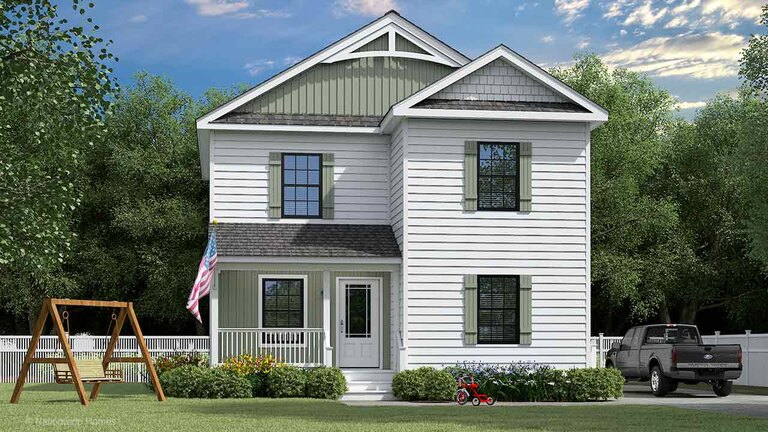
The community will need four homes. Three paths are available: modular homes, prefab kit homes, and a local custom builder. Each represents a different tradeoff between cost, timeline, customization, and hands-on involvement.
Modular home specifications
Kit specifications
All-in mid-range estimate ~$360,000
Range: approximately $310K–$425K depending on finishes, labor rates, and site conditions. Smaller kit options from DC Structures start below $100K for the shell.
View the McCall on DC Structures →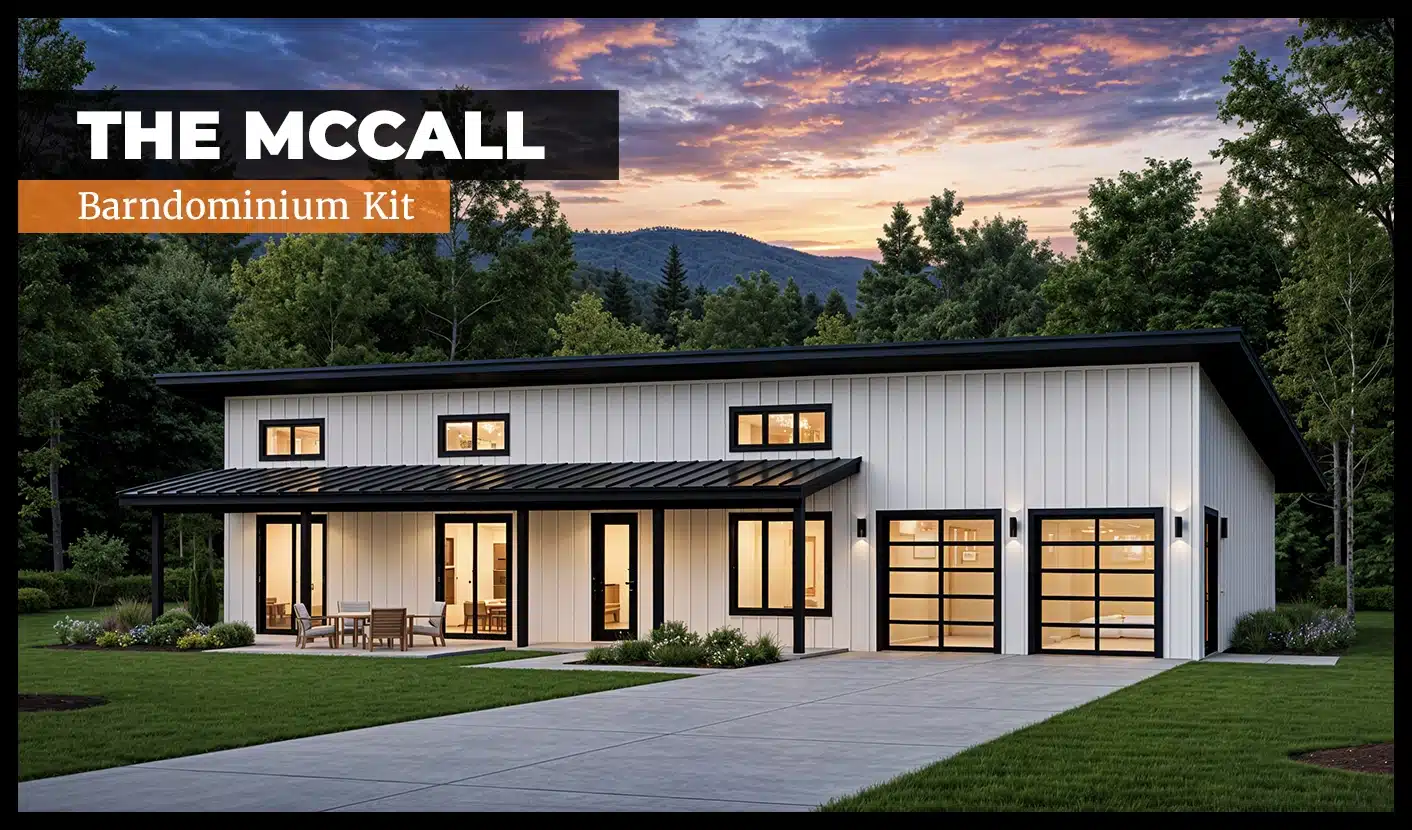
| Factor | Modular | Prefab Kit | Local Builder |
|---|---|---|---|
| All-in cost · larger home | $120–240K | $290–380K | $300–550K |
| All-in cost · smaller home | $80–160K | $210–270K | $200–375K |
| Build timeline | 4–8 months | 8–14 months | 12–18 months |
| Design flexibility | Moderate — floor plan options within catalog | High — interior fully customizable | Highest — every choice is yours |
| Local expertise | Low — ships from factory, GC needed locally | Low — kit ships nationally, GC finishes out | Highest — builder knows county codes & subs |
| ADA / accessibility | Select accessible floor plans available | Specify in design — fully achievable | Full control — specify anything needed |
| Best for | Fastest timeline, lowest cost | Design quality, long-term durability | Maximum customization, local relationships |
Modular homes deliver the fastest move-in and lowest per-household cost.
Prefab kit homes suit households that want more architectural character and are comfortable with a longer build.
A local custom builder is the right choice for any household wanting a fully bespoke home built.
| Item | Notes | Low Est. | High Est. |
|---|---|---|---|
| Land (4 acres) | Southern / Western York County, PA | $100,000 | $150,000 |
| LLC formation + attorney fees | PA filing fee ($125) & custom Operating Agreement | $1,000 | $3,000 |
| Site infrastructure (shared) | Well(s), multi-home septic system(s), driveway, electric, clearing for 5 structures | $90,000 | $180,000 |
| Home #1 — Clermont-Martin-Thornton | 3-4BR modular home, ~1,500 sq ft, all-in installed | $120,000 | $240,000 |
| ↳ Evelyne's Attached ADU | 1BR/1BA attached unit, ADA-accessible, separate entrance | $70,000 | $130,000 |
| Home #2 — Ormand-Clermont | 3BR modular home, ~1,500 sq ft, all-in installed | $120,000 | $240,000 |
| Home #3 — Hillare | 2BR modular home, ~1,000 sq ft, all-in installed | $80,000 | $160,000 |
| Home #4 — Elie | 2BR modular home, ~1,000 sq ft, all-in installed | $80,000 | $160,000 |
| Permits, inspections, contingency | ~10% buffer recommended | $66,100 | $126,300 |
| Total Community Build Estimate | ~$727K | ~$1.39M | |
Divided across four core households, the shared costs (land, legal, infrastructure, contingency) can be split equally or proportionally — if one household desires a larger footprint or primary unit, they may assume a larger share of the land and infrastructure cost. The estimates below use 2026 modular pricing data (Angi, HomeGuide) for the homes, matched to the all-in modular ranges established in Section 08 and current LandSearch pricing for Southern / Western York County established in Section 06. Figures were last checked against market data in mid-2026 and should be re-verified closer to any purchase, since land and construction pricing move quickly.
Four households.
One community.
The research is done. The numbers work. The model is proven. What's left is the decision.